How Neonatal Intensive Care Units Help Critically Ill Newborns
Advanced Neonatal Care for Every Newborn
The birth of a baby is one of the happiest moments for every family. However, some newborns require immediate medical attention due to premature birth, breathing difficulties, infections, or congenital conditions. In such situations families often rely on experienced Neonatologist in Udaipur specialists to ensure their little one receives the highest level of medical care. A Neonatal Intensive Care Unit (NICU) is specially designed to provide life-saving treatment, continuous monitoring, and advanced support for critically ill newborns, giving them the best possible chance to recover and grow healthy.
What Is a Neonatal Intensive Care Unit (NICU)?
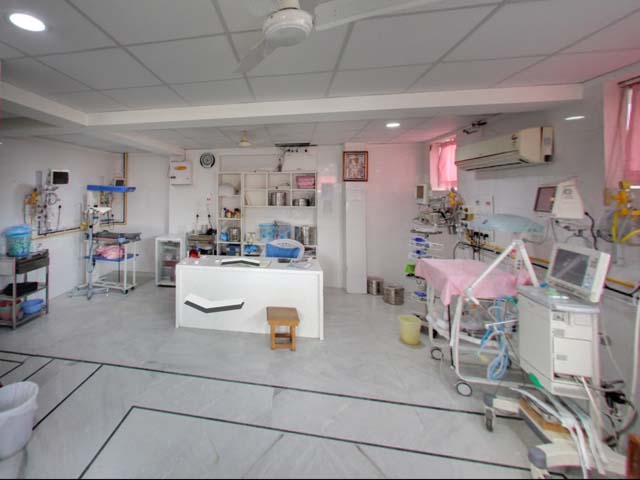
A Neonatal Intensive Care Unit, commonly known as a NICU, is a specialized department within a hospital that provides intensive medical care to newborn babies facing serious health challenges. These units are equipped with advanced medical technology and staffed by highly trained neonatologists, pediatricians, nurses, and respiratory therapists.
NICUs are designed to manage newborns who need constant monitoring, specialized treatment, and life-support systems during the first few days or weeks of life.
Which Babies Need NICU Care?
Not every newborn requires intensive care, but certain conditions make NICU admission essential. These include:
Premature birth before 37 weeks of pregnancy
Low birth weight
Breathing or respiratory distress
Birth complications
Serious infections
Congenital abnormalities
Jaundice requiring intensive treatment
Heart or lung disorders
Early admission to the NICU significantly improves the survival and recovery chances of these babies.
Specialized Medical Equipment in NICUs
Modern NICUs are equipped with advanced technology that supports newborns during their critical stage. Some important equipment includes:
Incubators
Incubators maintain the baby's body temperature and provide a controlled environment that protects against infections.
Ventilators
Babies with breathing difficulties receive respiratory support through ventilators or CPAP machines until they can breathe independently.
Cardiac and Oxygen Monitoring
Continuous monitoring of heart rate, oxygen saturation, blood pressure, and breathing helps doctors detect changes immediately.
Phototherapy Units
Phototherapy is commonly used to treat severe neonatal jaundice safely and effectively.
Intravenous Nutrition
Babies unable to feed normally receive essential nutrients and medications through IV lines.
Role of Neonatologists in Critical Care
A neonatologist is a pediatric specialist trained to manage complex medical conditions in newborns. Their responsibilities include:
Diagnosing critical neonatal illnesses
Managing respiratory support
Monitoring growth and development
Treating infections
Coordinating emergency care
Counselling parents throughout treatment
Their expertise plays a major role in improving neonatal survival and reducing long-term complications.
Benefits of Early NICU Intervention
Prompt medical care inside the NICU offers several advantages, including:
Faster diagnosis of life-threatening conditions
Better oxygen and respiratory management
Reduced risk of infections
Improved brain and organ development
Higher survival rates for premature babies
Better long-term health outcomes
Early intervention can make a significant difference in the overall health and future development of newborns.
Family-Centered Neonatal Care
Modern NICUs focus not only on treating babies but also on supporting families. Parents receive guidance on feeding, kangaroo care, breastfeeding, hygiene, and emotional support throughout the baby's recovery journey.
This collaborative approach helps strengthen the bond between parents and their newborn while preparing families for care after discharge.
Importance of Regular Follow-Up
After leaving the NICU, babies often require scheduled follow-up visits to monitor:
Growth and weight gain
Feeding progress
Vision and hearing
Brain development
Vaccinations
Overall health milestones
Regular follow-ups help ensure healthy development during infancy and early childhood.
Why Choose Bhandari Children Hospital?
Bhandari Children Hospital is committed to delivering compassionate neonatal care with modern infrastructure and experienced specialists. Families are looking for the trusted Neonatologist in Udaipur services benefit from advanced NICU facilities, round-the-clock emergency care, personalized treatment plans, modern medical equipment, infection-controlled environments, and continuous support for both newborns and parents. Our dedicated healthcare team works tirelessly to provide every newborn with the safest and most effective medical care possible.
Conclusion
Every newborn deserves the best possible start in life, especially those facing critical medical conditions immediately after birth. Advanced NICU facilities combined with experienced Neonatologist in Udaipur professionals provide timely diagnosis, specialized treatment, and continuous monitoring that greatly improve survival and long-term health outcomes. Choosing a hospital with comprehensive neonatal care ensures your baby receives expert attention during every stage of recovery, offering reassurance and hope to families when they need it the most.
FAQs
1. What is the purpose of a NICU?
A NICU provides specialized medical care for premature and critically ill newborns who require continuous monitoring and advanced treatment.
2. Who treats babies admitted to a NICU?
A team of neonatologists, pediatricians, trained nurses, respiratory therapists, and other specialists cares for babies in the NICU.
3. How long does a newborn stay in the NICU?
The duration depends on the baby's medical condition, birth weight, and overall progress. Some babies stay for a few days, while others may require several weeks.
4. Can parents visit their baby in the NICU?
Yes. Most NICUs encourage parental involvement and provide guidance on bonding, feeding, and caring for the baby during treatment.
5. When should parents consult a neonatologist?
Parents should seek immediate consultation if a newborn is born prematurely, has breathing difficulties, low birth weight, severe jaundice, infections, or other serious medical complications.


Comments
Post a Comment