How Early Diagnosis Can Improve Outcomes in Childhood Surgery
Introduction
Childhood health conditions can sometimes develop quickly and may require surgical attention when medicines or routine care are not enough. Recognising symptoms at the right time allows parents and healthcare professionals to take appropriate action before a condition becomes more complicated. Consulting a qualified paediatrician Surgeon in Udaipur can help families understand whether a child's symptoms require observation, further testing or surgical treatment. Early evaluation can make a meaningful difference by supporting timely decisions and reducing the risk of avoidable complications.
Why Early Diagnosis Matters in Childhood Surgery
Children may not always be able to clearly explain pain or discomfort. Symptoms such as persistent abdominal pain, swelling, vomiting, difficulty passing urine or changes in normal activity can sometimes indicate an underlying condition. Early diagnosis helps doctors identify the possible cause and determine the most suitable treatment before the problem progresses.
Timely assessment is particularly important for conditions where delaying treatment could affect a child's development or overall health. Medical evaluation may include a physical examination, imaging tests, laboratory investigations or other diagnostic procedures depending on the symptoms.
Helps Prevent Complications
One of the major advantages of early diagnosis is the opportunity to manage a condition before complications develop. Some childhood surgical problems may become more difficult to treat if they remain unnoticed for a long period. Detecting the condition early can allow doctors to plan appropriate intervention and reduce unnecessary risks.
Early treatment can also support smoother recovery. When a condition is identified before it becomes severe, children may have better chances of responding well to treatment and returning to their normal activities sooner.
Supports Better Surgical Planning
Accurate diagnosis gives surgeons valuable information about the child's condition. This helps them determine whether surgery is necessary and, if required, select an appropriate surgical approach. Proper planning also allows doctors to consider factors such as the child's age, physical condition and specific medical needs.
Parents can benefit from early diagnosis as well because it gives them more time to understand the treatment plan. Discussing the procedure, expected recovery and necessary aftercare with the medical team can help families feel better prepared.
Encourages Faster Recovery
Children generally have good healing potential, but recovery can still depend on the severity and timing of treatment. Early intervention may prevent a condition from worsening and can support a more manageable recovery process.
Following the surgeon's recommendations after treatment is equally important. Proper nutrition, medication, wound care and scheduled follow-up appointments can help monitor healing and identify any concerns during recovery.
When Should Parents Seek Medical Advice?
Parents should not ignore persistent or unusual symptoms in children. Severe or recurring pain, unexplained swelling, repeated vomiting, difficulty eating, problems with urination or sudden changes in normal behaviour may require medical attention.
Instead of waiting for symptoms to disappear on their own, parents should seek professional advice when they notice something unusual. A timely consultation can help determine whether further investigation is needed and provide reassurance when no surgical problem is present.
Why Choose Us
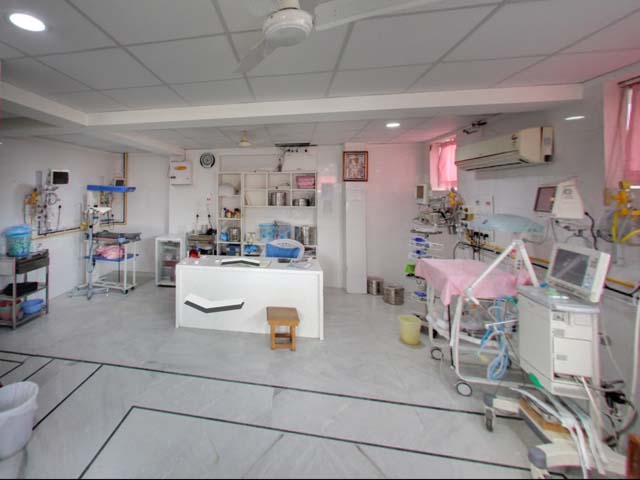
Bhandari Children Hospital focuses on providing child-centred medical care with attention to accurate assessment and appropriate treatment planning. Families looking for paediatric surgical guidance can consult a paediatrician Surgeon in Udaipur for professional evaluation when a child's condition may require specialised surgical care. The hospital aims to provide a supportive environment where children receive appropriate attention while parents are guided through the diagnosis and treatment process.
Conclusion
Early diagnosis plays an important role in improving outcomes in childhood surgery. Identifying a condition at an appropriate stage can help prevent complications, support better surgical planning and encourage a smoother recovery. Parents should pay attention to persistent or unusual symptoms and seek medical guidance without unnecessary delay. Timely professional evaluation can help ensure that children receive the right treatment when they need it most.
FAQs
1. Why is early diagnosis important for childhood surgery?
Early diagnosis can identify surgical conditions before they become more complicated. It allows doctors to plan suitable treatment and may help reduce potential complications.
2. What symptoms may indicate a surgical problem in a child?
Persistent abdominal pain, swelling, repeated vomiting, difficulty urinating, unusual lumps or significant changes in normal activity may require professional evaluation.
3. Does every childhood surgical condition require an operation?
No. Some conditions can be managed through observation, medication or other treatments. Surgery is recommended only when medically appropriate.
4. How can parents prepare for a child's surgical consultation?
Parents should share the child's symptoms, medical history, previous test reports and information about medications with the doctor. This can help with accurate assessment and treatment planning.
5. Can early treatment improve recovery after childhood surgery?
Early treatment may prevent a condition from becoming more severe and can support a more straightforward recovery. However, recovery varies depending on the child's condition and the type of treatment required.


Comments
Post a Comment